
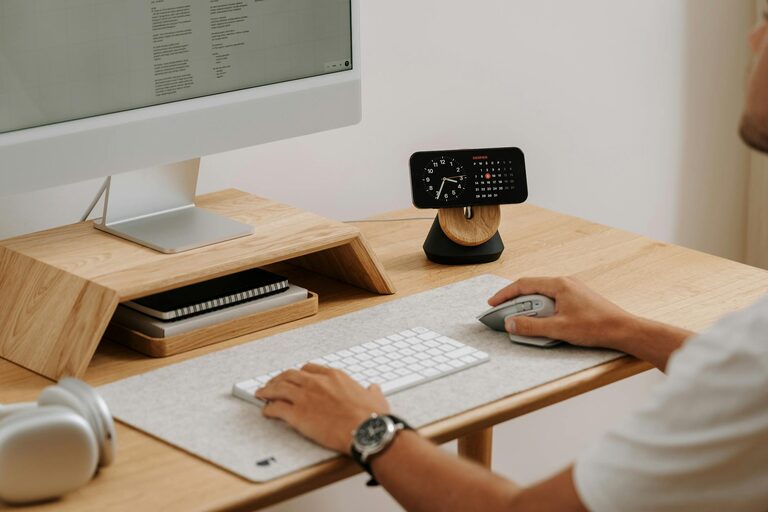
Creating a home office that promotes both productivity and relaxation is essential when working remotely or running a business from home. A well-designed workspace can improve focus, reduce stress, and make your working hours more enjoyable. Here are some tips to help you create a comfortable and efficient home office environment.
Choose the Right Location
Consider Natural Light
Whenever possible, position your desk near a window. Natural light helps improve mood and keeps you alert throughout the day. If natural light is limited, invest in good quality, adjustable lighting that mimics daylight to reduce eye strain.
Minimise Distractions
Select a quiet area where household noise is minimal. Avoid busy parts of the house such as the kitchen or living room, unless you can set clear boundaries to separate work time from home life.
Prioritise Ergonomics
Invest in a Quality Chair
A supportive office chair is crucial for long-term comfort and good posture. Look for one with adjustable height, lumbar support, and adequate padding.
Set Up Your Desk Correctly
Ensure your desk height allows your arms to rest comfortably at a 90-degree angle while typing. Your computer screen should be at eye level to prevent neck strain.
Organise Your Space Efficiently
Declutter Regularly
A tidy desk helps clear your mind. Use storage solutions such as drawers, shelves, or filing cabinets to keep paperwork and office supplies out of sight.
Designate Zones
Create separate areas for different tasks—writing, computer work, or meetings. This can help your brain switch focus and create a routine for different activities.
Add Personal and Relaxing Touches
Choose Calming Colours
Soft, neutral colours like pale blues, greens, or greys promote relaxation and concentration. Avoid overly bright or harsh colours that might cause distraction or fatigue.
Bring in Nature
Add plants to your office space for a fresh and calming atmosphere. Indoor plants can improve air quality and create a connection to the outdoors.
Use Aromatherapy
Subtle scents like lavender, eucalyptus, or citrus can boost mood and reduce stress. Consider using essential oil diffusers or candles during work breaks.
Incorporate Technology Mindfully
Optimise Your Equipment
Ensure your computer, keyboard, and mouse are responsive to reduce frustration and increase efficiency. Invest in noise-cancelling headphones if you need to focus or participate in calls without interruption.
Manage Screen Time
Take regular breaks from looking at screens to reduce eye strain. The 20-20-20 rule is helpful: every 20 minutes, look at something 20 feet away for 20 seconds.
Create a Routine and Work-Life Balance
Define Your Work Hours
Set clear starting and finishing times to prevent work from spilling into personal time. Inform family members or housemates about your schedule to minimise interruptions.
Take Regular Breaks
Short breaks help recharge your mind. Use this time to stretch, go for a walk, or practise a few minutes of mindfulness or deep breathing.
Optimise Air Quality and Temperature
Ensure Good Ventilation
Fresh air helps keep you alert and focused. If possible, open windows regularly or use an air purifier to maintain quality air inside your workspace.
Maintain a Comfortable Temperature
Your office should neither be too cold nor too warm. Adjust heating or cooling to keep your space comfortable throughout the year.
Stay Motivated and Inspired
Display Inspirational Items
Add motivational quotes, artwork, or photos that bring positivity. Rotate these occasionally to keep your environment fresh.
Set Achievable Goals
Having clear daily or weekly goals can keep you on track. Use planners or digital tools to manage tasks and celebrate small achievements.
—
Creating a home office that supports both productivity and well-being is about balancing function and comfort. With these tips, you can design a space that helps you focus, feel relaxed, and enjoy your workday at home.