
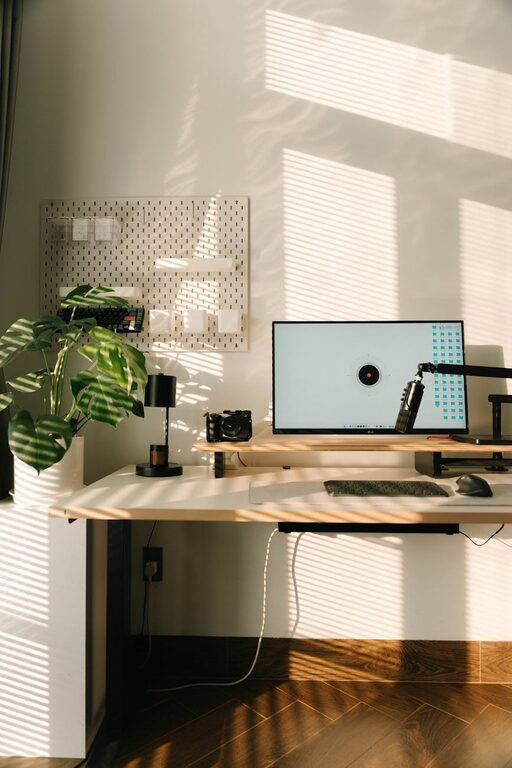
Creating a productive home office environment is essential for anyone working remotely or managing tasks from home. A well-designed workspace can help improve your focus, motivation, and overall work performance. This guide offers practical tips to help you craft a home office that supports productivity while maintaining comfort and organisation.
Choose the Right Location
Selecting the ideal spot in your home is the first step to creating a productive office. Consider the following:
– Quiet Space: Look for an area with minimal distractions from household noise or foot traffic.
– Natural Light: Position your desk near a window if possible to benefit from daylight, which reduces eye strain and improves mood.
– Separation: Try to keep your workspace separate from common living areas to help maintain a clear boundary between work and home life.
Invest in Ergonomic Furniture
Comfort is crucial when spending long hours at your desk. Investing in ergonomic furniture can reduce physical discomfort and increase productivity:
– Chair: Choose a chair that offers good lumbar support, adjustable height, and comfortable cushioning.
– Desk: Ensure your desk is at a comfortable height and large enough to hold your computer, paperwork, and any other essentials.
– Accessories: Consider adding a footrest, ergonomic keyboard, or mouse to enhance comfort.
Optimise Your Desk Organisation
A clutter-free workspace encourages focus and efficiency. Here are ways to keep your desk tidy and functional:
– Declutter Regularly: Remove unnecessary items and keep only what you frequently use within reach.
– Storage Solutions: Use drawers, shelves, or organisers to keep documents and office supplies neatly stored.
– Cable Management: Use clips or ties to keep cables organised and prevent them from tangling.
Lighting Matters
Good lighting reduces eye strain and keeps you alert:
– Natural vs Artificial: Use a mix of natural and artificial lighting. A desk lamp with adjustable brightness can be helpful for working in the evening.
– Avoid Glare: Position screens to avoid glare from windows or overhead lights. Consider anti-glare screen protectors if needed.
Manage Noise Levels
Background noise can be distracting. Consider these strategies to create a quieter environment:
– Noise-Cancelling Headphones: These can help block out household sounds.
– Soft Furnishings: Carpets, curtains, and cushions absorb sound and reduce echo.
– White Noise: A white noise machine or app can mask distracting sounds.
Create a Routine and Set Boundaries
To maintain productivity, establish clear routines and boundaries:
– Regular Hours: Set consistent start and finish times to create structure.
– Breaks: Schedule short breaks to rest and recharge. Try the Pomodoro Technique (25 minutes working, 5 minutes resting).
– Family Agreements: If you share your home, communicate your work hours to minimise interruptions.
Personalise Your Space
Adding personal touches can make your home office more inviting and motivating:
– Plants: Greenery adds a natural element and can improve air quality.
– Artwork: Hang inspiring prints or photos to brighten your environment.
– Comfort Items: A cosy blanket or favourite mug can make your workspace feel more pleasant.
Utilise Technology Effectively
Tech tools can enhance your productivity and organisation:
– Reliable Internet: Ensure you have a strong, stable connection.
– Productivity Apps: Use calendars, task managers, or communication platforms to streamline your workflow.
– Backup Plans: Have backup devices or data storage methods to avoid work disruptions.
Keep Healthy Habits
Physical and mental wellbeing support productivity:
– Posture: Maintain good posture to prevent strain.
– Movement: Stand up and stretch regularly, or consider a sit-stand desk.
– Hydration and Snacks: Keep water and healthy snacks nearby to stay energised.
Regularly Review and Improve Your Setup
Your needs may change over time, so revisit your setup periodically:
– Adjust Furniture: Change positions or replace items if they no longer fit your needs.
– Update Technology: Keep software and devices up to date.
– Seek Feedback: If you share your workspace, ask for input to improve the environment.
—
Setting up a productive home office requires some planning and flexibility. By choosing the right location, investing in ergonomic furniture, managing clutter, and establishing clear routines, you can create a workspace that helps you focus and perform at your best. Remember, a comfortable and organised environment not only supports productivity but also contributes to your overall wellbeing while working from home.