
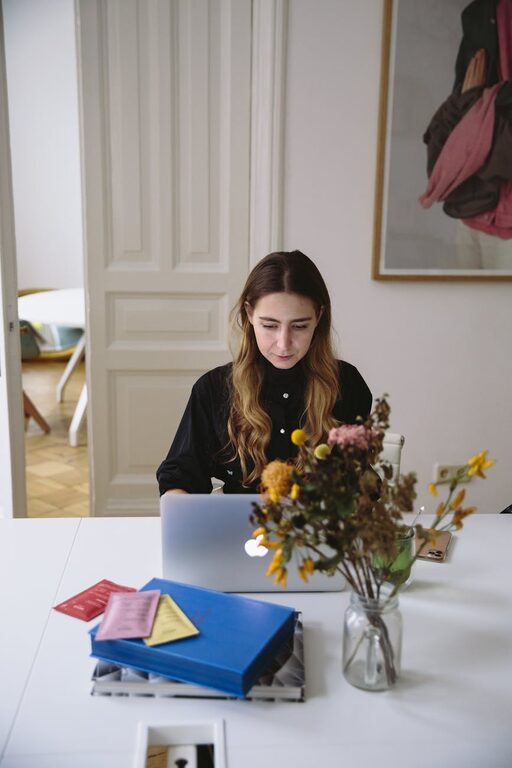
Working from home has become a common part of many people’s lives, blending professional duties with the comfort of home. However, the key to maintaining efficiency and well-being is crafting a workspace that encourages productivity without compromising relaxation. In this post, we explore practical ideas and helpful strategies to create a home office that truly supports your working style and keeps you feeling good.
Why Your Workspace Matters
A dedicated workspace helps set boundaries between work and personal life, improves concentration, and can reduce stress. If your environment feels disorganised or uninspiring, it will be harder to focus and stay motivated. On the other hand, a well-thought-out area that suits your needs encourages creativity and productivity.
Choosing the Right Location
Find a Quiet Spot
Look for a space away from distractions such as household traffic, noisy appliances, or entertainment areas. If your home doesn’t offer a separate room, try a corner that can be sectioned off with room dividers, shelving, or plants.
Consider Natural Light
Good lighting improves mood and reduces eye strain. Ideally, position your desk near a window to benefit from daylight. If that’s not possible, invest in quality task lighting that mimics natural light.
Furniture and Equipment
Opt for an Ergonomic Chair and Desk
Comfort is vital when spending long hours at a desk. Choose a chair that supports your posture and a desk height that suits your stature. Adjustable furniture is even better, allowing you to switch between sitting and standing.
Keep Technology User-Friendly
Ensure your computer, keyboard, mouse, and any other tools are easy to use and meet your work requirements. Use cable tidy solutions to prevent clutter and make the space visually appealing.
Organising Your Workspace
Declutter Regularly
A cluttered desk can lead to a cluttered mind. Remove unnecessary items and only keep essentials within reach.
Use Storage Solutions
Shelving units, boxes, and drawer organisers help keep items tidy and accessible. Label storage where needed to simplify finding materials.
Create a Paper System
If your work involves paperwork, establish a filing system to quickly sort and store documents.
Personalisation and Comfort
Add Greenery
Plants brighten up a workspace and can improve air quality, which may boost focus and reduce stress.
Incorporate Personal Touches
Photos, artwork, or meaningful objects can help make your workspace enjoyable but avoid overdecorating which might distract you.
Maintain Comfortable Temperature and Fresh Air
Ensure good ventilation and adjust heating or cooling to keep the environment comfortable throughout your workday.
Establishing a Routine and Boundaries
Set Clear Working Hours
Define when you start and finish work to keep a healthy balance.
Take Regular Breaks
Short, frequent breaks can increase productivity and reduce fatigue. Consider techniques such as the Pomodoro method.
Minimise Distractions
Turn off non-essential notifications and use apps or settings to block distracting websites during work time.
Mindfulness and Wellness Practices
Create a Relaxation Corner
If space allows, include a small area with cushions or a comfortable chair where you can pause and unwind briefly.
Use Calming Scents or Sounds
Essential oils like lavender or background music can help maintain a calm atmosphere.
Practice Stretching and Movement
Incorporate simple stretches or quick exercises to keep energy levels up and prevent stiffness.
Conclusion
Creating a home workspace that is both relaxing and productive is achievable by carefully considering your environment, ergonomics, organisation, and personal preferences. By investing time in setting up your space thoughtfully, you not only improve your work quality but also contribute positively to your overall well-being. Remember, the perfect workspace is one that supports you comfortably and inspires your best work every day.