
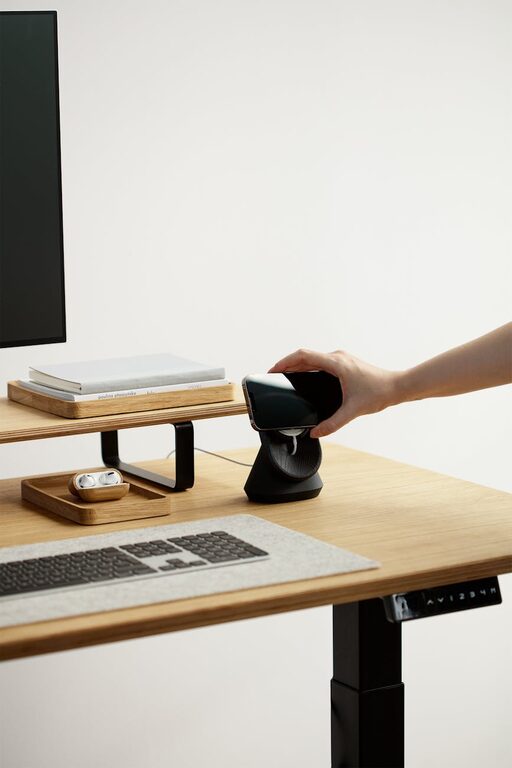
Working from home has become increasingly common, and creating a calming and efficient home office is essential for maintaining both productivity and well-being. A well-designed workspace can help reduce stress, keep you focused, and make your working hours more enjoyable. Whether you’re setting up a new office or improving an existing one, these tips will help you create a relaxing environment that supports your work goals.
Choose the Right Location
Pick a Quiet Spot
The first step is to find a place in your home where interruptions and noise are minimal. Whether it’s a spare room, a corner of the living room, or a section of the bedroom, a quieter area helps you concentrate better.
Consider Natural Light
Natural daylight not only brightens the room but also boosts mood and energy. Position your desk near a window if possible. Avoid glare on your screen by using blinds or curtains to control direct sunlight.
Invest in Comfortable Furniture
Ergonomic Chair
A good chair supports your back, neck, and posture. Look for an ergonomic design with adjustable height and lumbar support to prevent discomfort during long hours of sitting.
Desk Space
Choose a desk with enough surface area for your computer, accessories, and any work materials. Keep your workspace organised to reduce clutter, which can cause distraction and stress.
Create a Soothing Colour Scheme
Calm and Neutral Colours
Colours affect mood and productivity. Soft tones such as light blues, greens, or greys tend to be calming and can help improve focus. Avoid very bright or harsh colours, which might be overwhelming.
Personal Touch
Add a few items that you find uplifting but don’t distract you, such as a favourite photo, a small plant, or simple artwork. Personalising the space increases comfort and motivation.
Manage Lighting and Ambience
Layered Lighting
Use a combination of overhead lights, task lamps, and natural light to avoid eye strain. Adjustable desk lamps are particularly useful for focused tasks.
Minimise Screen Glare
Position screens and lighting carefully to prevent reflections and glare, reducing eye fatigue. Anti-glare screen protectors can also help.
Incorporate Organisational Tools
Shelving and Storage
Use shelves, filing cabinets, or baskets to keep documents and stationery organised. Having a tidy space reduces stress and helps you find what you need quickly.
Cable Management
Messy cables create visual clutter. Use clips, ties, or cable organisers to keep wires neat and out of the way.
Add Elements to Reduce Stress
Indoor Plants
Plants can improve air quality and add a refreshing natural element. Choose easy-care varieties like succulents or spider plants if you don’t have a green thumb.
Aromatherapy
Scented candles or essential oil diffusers with relaxing fragrances such as lavender or eucalyptus may help create a calm atmosphere.
Soft Textiles
A cosy throw, cushion, or rug can make your office feel more welcoming and comfortable, helping you feel relaxed during work breaks.
Set Boundaries and Routine
Define Work Hours
Even at home, set clear working hours and take regular breaks. This helps separate work from relaxation time, reducing burnout.
Create a Start-Up Ritual
Begin your day with a simple routine like organising your desk or making a cup of tea. This can signal to your brain that it’s time to work and help you get into the right mindset.
Minimise Distractions
Silent Notifications
Turn off unnecessary phone and computer alerts. Use ‘Do Not Disturb’ modes during focused work periods.
Dedicated Work Devices
If possible, keep work-related devices separate from personal ones to help maintain focus and clear boundaries.
Keep Technology Comfortable and Efficient
Quality Equipment
Invest in a good keyboard, mouse, and headset to reduce strain and improve communication during video calls.
Fast Internet Connection
A reliable, fast internet connection is vital to avoid frustration during online meetings and research.
Final Thoughts
By thoughtfully designing your home office with comfort and relaxation in mind, you’ll create a space that supports productivity while making work more enjoyable. Small changes like improving lighting, ergonomics, and organisation can have a significant impact on your daily performance and overall wellbeing. Remember to personalise your space so it suits your own preferences and promotes a positive working experience. With these tips, your home office will be a place where you can focus, feel comfortable, and achieve your best work.