
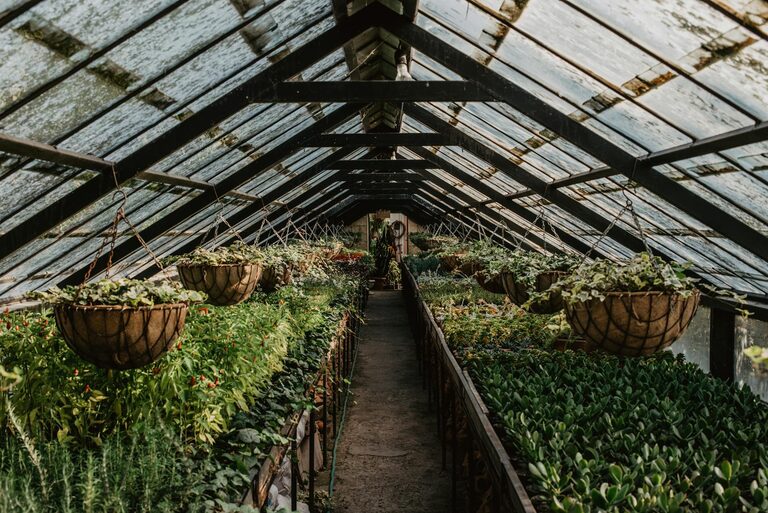
Creating a relaxing outdoor garden space is a wonderful way to bring peace and tranquillity into your daily life. Whether you have a small balcony, a modest yard, or a large garden, thoughtfully designing your outdoor area can help you enjoy nature’s beauty while providing a soothing retreat. In this post, we’ll explore practical tips to help you create your own calming garden space.
Why Create a Relaxing Garden Space?
Spending time outdoors has been shown to reduce stress, improve mood, and boost overall wellbeing. A garden provides an inviting environment where you can read, meditate, enjoy a cup of tea, or simply breathe fresh air. More importantly, your garden space should reflect your tastes and needs, making it a true sanctuary.
Planning Your Garden Space
Assess Your Space and Needs
Start by evaluating the size and layout of your garden. Take note of sunlight patterns, existing plants, soil condition, and any features you want to keep or add. Think about how you plan to use the space — as a quiet nook, an area for socialising, or perhaps a meditation spot.
Set a Budget and Timeline
Gardens can vary widely in terms of cost and maintenance. Decide how much you want to invest and how much time you can devote to upkeep. Remember, a relaxing garden should require manageable maintenance so it remains a joy, not a chore.
Design Elements for Relaxation
Choose Calming Colours
Colours influence mood, so opt for soft, natural hues. Greens, blues, lavenders, and gentle whites tend to evoke calmness. Incorporate these colours through plants, furniture, cushions, and decorative items.
Add Comfortable Seating
A garden isn’t relaxing without somewhere comfortable to sit. Depending on your space, consider benches, hammocks, garden chairs with cushions, or outdoor sofas. Position seating in shaded spots or areas with a pleasant view.
Incorporate Water Features
The sound of water can be incredibly soothing. Small fountains, birdbaths, or even a simple dish with flowing water add a sense of peace and attract wildlife, enhancing the natural atmosphere.
Use Natural Materials
Wood, stone, and wicker blend well with plants and help create an organic, restful feel. Think of wooden decking, stone paths, or wicker baskets for storing tools and cushions.
Selecting Plants for Tranquility
Opt for Low-Maintenance Plants
Choose plants that suit your climate and garden conditions but don’t require too much fuss. Lavender, ferns, ornamental grasses, and succulents are excellent for calm, attractive gardens.
Incorporate Fragrant Plants
Aromas such as lavender, jasmine, and rosemary can have calming effects. Position these near seating areas or along pathways to enjoy subtle, relaxing scents.
Create Layers
Mix plants of different heights and textures for an interesting and restful visual effect. Taller shrubs can provide privacy, while lower ground covers add softness underfoot.
Encourage Wildlife
Birds, bees, and butterflies add life to your garden. Plant native flowers and provide feeders or birdhouses to invite these friendly visitors, which contributes to a peaceful environment.
Enhancing Ambience with Lighting
Use Soft Lighting
Avoid harsh bright lights. Instead, use solar-powered fairy lights, lanterns, or LED candles to create gentle illumination. Lighting paths and seating areas makes your garden usable at dusk and adds a magical quality.
Position Lights Strategically
Highlight plants, sculptures, or water features with spotlights to create focal points and add depth.
Adding Personal Touches
Include Garden Art
Sculptures, wind chimes, or decorative stones can express your personality and add interest without overwhelming the space.
Use Textiles
Weatherproof cushions, throws, and rugs can make outdoor seating areas more inviting and comfortable.
Set Up a Small Herb Garden
Growing herbs not only provides fresh ingredients but also adds fragrance and encourages interaction with your garden.
Maintenance Tips to Keep Your Garden Relaxing
– Regular tidying: Remove dead leaves and weeds to keep the space tidy.
– Seasonal updates: Refresh plants according to the seasons to keep the garden vibrant.
– Water care: Ensure plants receive the right amount of water to prevent stress.
– Tool storage: Keep gardening tools organised and out of sight to maintain a peaceful atmosphere.
Final Thoughts
Creating a relaxing outdoor garden space is about balance — combining beauty, comfort, and nature to suit your lifestyle. Start small, be patient, and let your garden evolve naturally. With thoughtful design and care, your garden can become a treasured retreat where you can relax and recharge every day.