
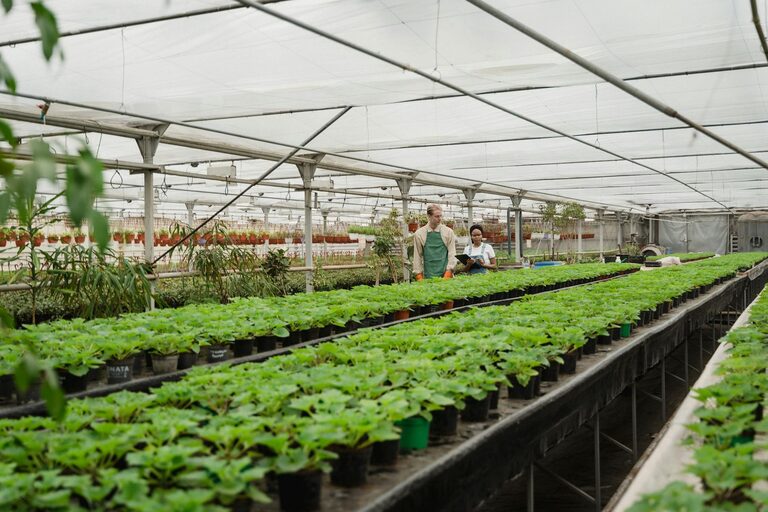
Creating a sustainable home garden throughout the year is a wonderful way to enjoy fresh plants, vegetables, and flowers while supporting the environment. By adopting eco-friendly habits and planning wisely, you can make the most of your garden space in every season. This guide will offer practical tips to help you nurture a garden that thrives year-round with minimal impact on the planet.
Why Choose a Sustainable Garden?
A sustainable garden uses resources responsibly and works with nature to reduce waste, conserve water, and improve soil health. It can help you:
– Save money on water, fertilisers, and pesticides
– Encourage biodiversity by attracting pollinators and beneficial insects
– Improve local air quality and reduce carbon footprint
– Provide fresh, chemical-free food and beautiful open space
With these benefits in mind, here are some helpful strategies to create a garden that works all year round.
Planning Your Garden for Year-Round Success
Choose the Right Plants
Select plants suited to your climate and soil, focusing on native and drought-resistant varieties. These plants need less water, fertiliser, and care. Mix perennials, which come back every year, with seasonal vegetables and annual flowers to maintain interest and productivity.
Design for All Seasons
Plan garden beds and containers with a rotation of crops and plants that grow in different seasons. Include:
– Spring bulbs and early vegetables like peas and lettuce
– Summer herbs, tomatoes, and flowering plants
– Autumn root vegetables and leafy greens
– Winter hardy plants like kale or certain shrubs that provide structure
Rotating crops also helps prevent soil depletion and reduces pests.
Use Raised Beds or Containers
Raised beds warm up earlier in spring and improve drainage, helping you plant sooner and extend the growing season. Containers allow flexibility for moving plants to sunnier spots or indoors during cold weather.
Soil Health: Foundation of Sustainability
Composting Is Key
Start composting your kitchen scraps, grass clippings, and leaves to create nutrient-rich soil. This reduces waste while giving your garden natural, chemical-free fertiliser.
Mulch to Retain Moisture
Mulching with organic materials like straw, wood chips, or grass helps keep the soil moist, suppresses weeds, and adds nutrients as it breaks down. Apply mulch around plants after watering.
Avoid Chemicals
Reduce or eliminate synthetic pesticides and fertilisers. Instead, use natural alternatives like neem oil, insecticidal soap, or companion planting to control pests. Healthy soil nourishes strong plants that resist diseases naturally.
Water Wisely Throughout the Year
Harvest Rainwater
Collecting rainwater in barrels or containers reduces reliance on mains water and cuts costs. This water is also better for plants as it is free of chemicals often found in tap water.
Water Early or Late
Water your garden early in the morning or late in the evening to reduce evaporation. Avoid watering during the hottest part of the day.
Use Efficient Irrigation
Drip irrigation or soaker hoses deliver water directly to the roots, minimising waste. Group plants with similar water needs together to avoid overwatering.
Encourage Wildlife and Pollinators
Creating a welcoming habitat for bees, butterflies, birds, and beneficial insects supports the health of your garden. Here’s how you can encourage them:
– Plant native wildflowers and herbs like lavender and thyme
– Install bird feeders, baths, and bug hotels
– Allow some areas of your garden to remain wild or grassy
– Avoid chemical sprays harmful to wildlife
Seasonal Care and Maintenance
Spring and Summer
Prepare beds with compost and mulch, plant seeds and seedlings, and keep an eye on watering needs. Pinch back flowers to encourage bushier growth and harvest regularly for continuous production.
Autumn
Clear fallen leaves but keep some as mulch or compost material. Plant cover crops like clover to enrich the soil. Plan and plant some hardy winter vegetables.
Winter
Protect sensitive plants with fleece or cloches. Continue to compost indoors, prune dormant shrubs, and plan for the next planting season.
Reduce Waste and Reuse Materials
Sustainability involves cutting down waste. Use recycled containers, repurpose old pots, and save seeds from your plants for next year. Avoid plastic and opt for biodegradable or natural materials when possible.
Conclusion
Sustainability in your home garden is achievable with thoughtful planning and simple habits. By choosing the right plants, nurturing your soil, using water wisely, and encouraging local wildlife, you’ll enjoy a thriving, eco-friendly garden all year round. Start with small steps and watch your garden flourish in harmony with nature.
Happy gardening!