
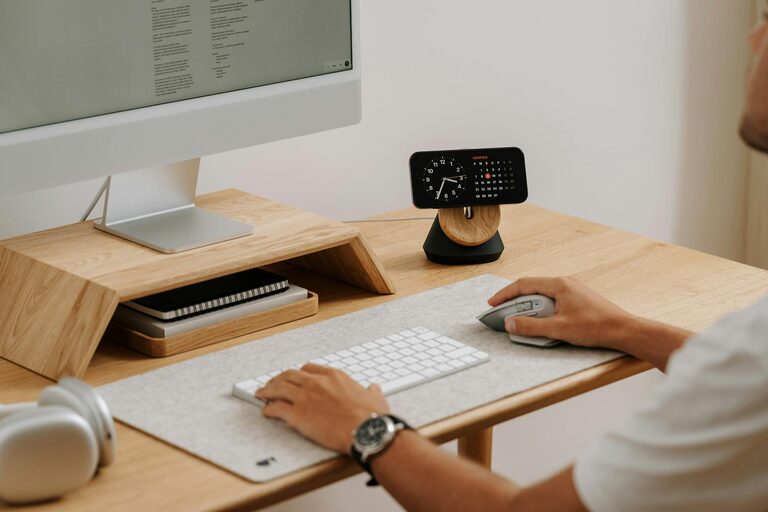
Creating a relaxing home office environment is essential for maintaining focus and reducing stress during your working day. Whether you work full-time from home or occasionally need a quiet spot to complete tasks, a well-designed space can enhance your comfort and efficiency. Here are practical tips to help you transform your home office into a tranquil and inspiring area.
Choose the Right Location
Start by selecting a space in your home that can be dedicated to work. Ideally, this spot should be away from high-traffic areas and distractions such as the television or kitchen. If you don’t have a spare room, consider corners in a living area or even a converted under-stairs nook.
Natural light is a major factor in creating a relaxing environment. Position your desk near a window if possible to benefit from daylight, which can improve mood and reduce eye strain.
Invest in Comfortable Furniture
Comfortable furniture is fundamental for both physical health and mental well-being.
– Ergonomic Chair: Look for a chair that supports your lower back and allows for adjustable height and tilt. Sitting comfortably helps prevent aches from long periods of work.
– Desk: Choose a desk that suits your type of work and room size. A spacious surface reduces clutter, and a standing desk option can provide flexibility.
– Footrest and Accessories: If your feet don’t touch the floor comfortably, a footrest can improve posture. Consider a wrist pad or ergonomic keyboard to avoid strain.
Keep Your Workspace Organised
Clutter can increase stress and distract you from tasks. To maintain a tidy office:
– Use storage solutions like shelves, filing cabinets, or desk organisers.
– Allocate specific places for paperwork, stationery, and electronics.
– Implement a daily or weekly tidy-up routine to keep items in their place.
An organised space creates a sense of calm and helps you find what you need quickly.
Select Soothing Colours
Colours affect mood and productivity. Choose calm, neutral, or soft tones for walls and décor to create a peaceful atmosphere.
– Light shades of blue, green, or grey are known to have relaxing effects.
– Avoid overly bright or harsh colours that may increase agitation or fatigue.
– Introduce colour through accessories like cushions, rugs, or artwork to personalize the space without overwhelming it.
Control Lighting Carefully
Good lighting reduces eye strain and contributes to a relaxing ambiance.
– Aside from natural light, invest in quality artificial lighting with adjustable brightness.
– Use task lighting such as a desk lamp for focused work.
– Consider warm-hued bulbs instead of cool white to create a softer, more welcoming environment.
Dimmer switches allow you to adjust the lighting according to the time of day or activity.
Incorporate Natural Elements
Bringing nature indoors can calm the senses and improve concentration.
– Add plants like succulents, ferns, or peace lilies which require minimal care.
– Use natural materials such as wooden furniture, bamboo blinds, or stone decorations.
– If possible, place your desk near a window with a view of greenery or use nature-inspired artwork.
The presence of natural elements can boost creativity and reduce feelings of stress.
Minimise Noise and Distractions
A peaceful environment requires some control over noise levels.
– Use noise-cancelling headphones if you live in a noisy area.
– Consider soundproofing options like heavy curtains, rugs, or acoustic panels.
– Set rules with household members to respect your work time and space.
Background sounds such as calming music or ambient nature sounds can also help maintain focus.
Add Personal Touches
While it’s important to avoid clutter, adding a few personal items can make your office feel inviting.
– Display photos, inspirational quotes or art that motivate you.
– Choose accessories or stationery that you enjoy using.
– Use a favourite scented candle or essential oil diffuser to create a soothing atmosphere.
Personalising your space connects you emotionally and makes work more pleasant.
Maintain Good Air Quality
Fresh air supports concentration and overall health.
– Open windows regularly to allow air circulation.
– Use an air purifier if necessary, especially in smaller or poorly ventilated spaces.
– Avoid placing your desk too close to strong odours such as the kitchen or laundry area.
Plant life also helps purify indoor air naturally.
Develop a Routine and Boundaries
Lastly, a relaxing home office is not just about physical space but also how you use it.
– Create a clear start and finish time for work to separate professional and personal life.
– Take regular breaks, including short walks or stretching.
– Keep your workspace tidy and organised at the end of each day to start fresh tomorrow.
Setting boundaries and routines helps maintain a calm mindset and prevents burnout.
—
By combining these tips, you can establish a home office environment that supports your productivity and promotes relaxation. The key is to tailor your workspace to both your work demands and personal comfort, creating a balanced, enjoyable place to get things done.